
Low-Maintenance Landscape Designs

There is nothing quite like a Florida weekend - sunshine, warm air, and the sound of your neighbor's lawn mower reminding you that yours still needs cutting. For a lot of Tampa homeowners, Saturday mornings start not with coffee on the porch but with a to-do list that the yard keeps writing for them.
It does not have to be that way. Low-maintenance landscape design is not about letting your yard go - it is about designing it so smartly from the start that it practically takes care of itself. The result? More weekends that actually belong to you.
What Low-Maintenance Landscape Design Actually Means
People sometimes assume that "low maintenance" equals boring - a patch of mulch and a few scraggly bushes. That is not what we are talking about here.
Low-maintenance landscape design means choosing the right plants, materials, and layout so that the yard requires minimal ongoing effort to look great. It factors in Tampa's heat, humidity, and rainfall patterns from the very beginning. Done well, it is one of the smartest investments a homeowner can make.
Why Tampa Yards Are a Special Challenge
Tampa's climate is unlike most of the country. You get intense heat from April through October, afternoon thunderstorms that can dump inches of rain in an hour, and soil conditions that vary widely across the Tampa Bay area.
Traditional lawns tend to fight against this environment rather than work with it. They demand frequent mowing, irrigation adjustments, and fertilization just to survive. A well-planned low-maintenance landscape works with Florida's natural rhythm instead of against it.
The Biggest Time Wasters in a Traditional Yard
Before redesigning your outdoor space, it helps to understand where your time actually goes. Most Tampa homeowners spend the bulk of their yard hours on a short list of recurring tasks.
Mowing is the obvious one. Depending on the size of your lawn and the season, that alone can eat two to four hours every week during peak growing months. Add in edging, blowing, weeding, trimming shrubs, and adjusting sprinklers, and suddenly the yard has consumed most of your free time.
The goal of low-maintenance landscape design is to shrink that list dramatically - not by doing less, but by building a yard that needs less.
Design Strategies That Cut Down on Yard Work
Reduce Turf Area Strategically
One of the highest-impact changes you can make is simply reducing how much grass you have. Grass requires the most ongoing attention of almost any landscaping element. Replacing portions of it with ground covers, mulched garden beds, hardscaping, or artificial grass can cut your mowing time in half - or eliminate it entirely.
This does not mean tearing out your entire lawn. Strategic reduction focuses on the areas that are hardest to mow or rarely used anyway, like narrow side strips, steep slopes, or shaded patches under trees where grass struggles to grow well.
Choose the Right Plants for Tampa's Climate
Native and Florida-adapted plants are the foundation of any sensible low-maintenance landscape design. These plants evolved alongside Tampa's weather. They tolerate drought, bounce back after heavy rain, and generally do not need the constant intervention that imported ornamentals often demand.
Good options for Tampa yards include:
Muhly grass - a graceful ornamental grass that thrives in heat and needs very little water once established
Firebush - a Florida native that attracts pollinators and handles both sun and humidity with ease
Simpson's stopper - a versatile shrub that works well as a hedge or accent plant and requires minimal pruning
Coontie - a native cycad that is nearly indestructible and stays tidy without much help
Lantana - tough, colorful, and loved by butterflies
The right plant in the right spot makes an enormous difference. Placing a sun-loving plant in shade or a drought-tolerant species next to a water feature means constant corrective care.
Use Mulch Generously
Mulch is not glamorous, but it is one of the hardest-working elements in a low-maintenance yard. A proper layer of mulch around plant beds retains soil moisture, suppresses weed growth, regulates soil temperature, and breaks down over time to improve the soil.
In Tampa's heat, this matters even more. Mulched beds need far less irrigation than bare soil, and they dramatically reduce the time you spend pulling weeds. Aim for a two-to-three-inch layer and refresh it once or twice a year.
Design for Smart Irrigation
A well-designed irrigation system does not just water your plants - it waters the right plants at the right time in the right amount. Drip irrigation for garden beds and zoned sprinkler systems for lawn areas can reduce water use while keeping everything healthy with almost no input from you.
Pairing irrigation with a rain sensor or smart controller is especially valuable in Tampa, where afternoon storms can make manual watering schedules completely irrelevant within hours.
Artificial Grass: The Zero-Mow Solution
Let us talk about artificial grass, because for many Tampa homeowners it has become the single biggest upgrade they have ever made to their outdoor routine.
Artificial grass looks dramatically better than it did even ten years ago. Modern turf products are designed to handle Florida's heat without fading, drain efficiently after heavy rain, and stay green year-round without a drop of irrigation or a single bag of fertilizer.
The math is straightforward. If mowing takes you two hours every week for eight months out of the year, that is roughly 64 hours per year just on mowing. Artificial grass brings that number to zero.
It is also a strong option for households with pets or kids who put heavy foot traffic on natural grass and turn it into patchy mud. Turf holds up to that kind of use far better than sod does.
Is Artificial Grass Right for Every Yard?
Artificial grass is not the right fit for every situation, and any honest landscaper will tell you that. It tends to work best in high-traffic areas, smaller yard sections, areas prone to shade and poor drainage, and spaces where you want a consistently manicured look without the upkeep.
For larger properties or homeowners who genuinely enjoy some lawn care, a hybrid approach - natural turf in some areas and artificial in others - often makes the most practical sense.
Hardscaping as a Low Maintenance Design Tool
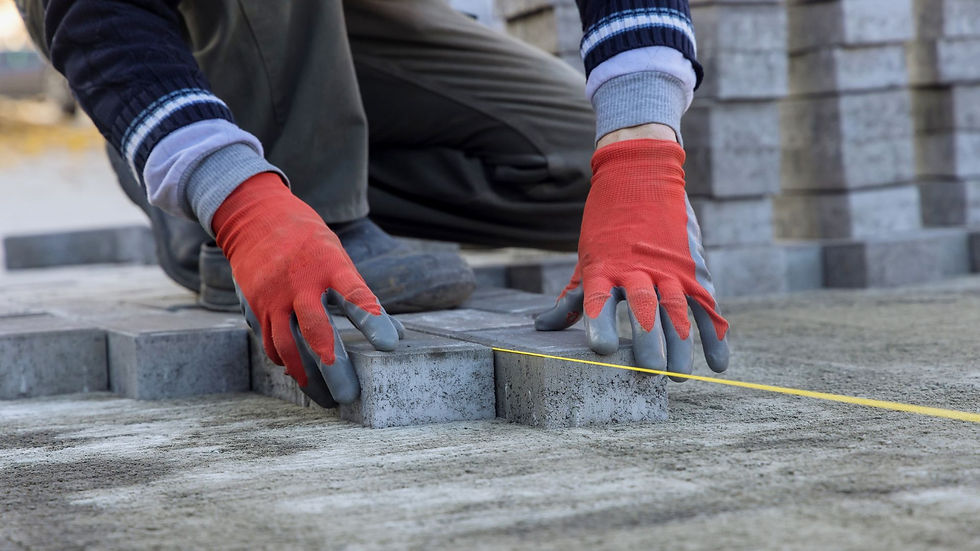
Patios, pathways, pavers, and decorative stone are not just visual elements. They are areas of your yard that never need mowing, never need watering, and rarely need much attention at all beyond occasional cleaning.
Replacing underperforming lawn areas with well-designed hardscaping can dramatically shift the maintenance burden of your yard. A paver patio where struggling grass once grew becomes a functional outdoor living space that takes care of itself.
In Tampa, where outdoor living is practically a year-round activity, investing in quality hardscaping also increases the usable square footage of your property. You get more space to enjoy and less space to maintain.
Turf and Sod: When Natural Grass Still Makes Sense
Not everyone wants to go fully artificial or fully hardscaped, and that is completely reasonable. Natural grass has its advantages - it stays cooler underfoot in direct sun than artificial turf, and many homeowners simply prefer the look and feel of real lawn.
The key is choosing the right type of sod for Tampa's conditions. St. Augustine grass is one of the most common choices in the Tampa Bay area because it handles heat and humidity well and provides dense coverage that crowds out weeds. Zoysia grass is another popular option, known for slower growth (which means less mowing) and good drought tolerance once established.
Proper turf and sod installation done from the start - with the right variety, proper grading, and good soil preparation - makes the difference between a lawn that fights you every season and one that mostly takes care of itself.
How Professional Landscape Design Saves Time Long-Term
There is a temptation to approach landscaping as a DIY project that evolves over time. And for some things, that works fine. But when the goal is a truly low-maintenance yard, getting the design right from the beginning pays off in years of saved effort.
A professional landscape design considers how different plants grow and spread over time, how water drains across the property, where the sun hits hardest, and how to create a yard that stays beautiful without constant intervention.
Hiring professionals also means avoiding the costly mistakes that happen when plants are placed in the wrong conditions or when drainage issues are overlooked. Those kinds of errors tend to compound over time and create more maintenance work, not less.
What to Expect From a Landscape Design Consultation
If you have never worked with a landscaping company before, the process is simpler than most people expect. A good consultation starts with understanding how you use your yard and what you want to stop doing - mowing, edging, fighting weeds, adjusting sprinklers, whatever it is.
From there, a designer looks at the existing layout, the soil, the sun and shade patterns, and your budget. The end result is a plan that addresses your specific property rather than a generic package.
At Coastal Outdoor, this is how every project starts - with listening first and designing second.
Frequently Asked Questions
How much does a low maintenance landscape design cost in Tampa?
Costs vary depending on the size of your yard and the scope of changes. A redesign that incorporates native plants, mulched beds, and partial artificial turf will cost more upfront than a basic sod installation, but the reduction in ongoing maintenance costs and time typically makes it worthwhile within a few seasons.
What is the best grass for a low-maintenance lawn in Tampa?
Zoysia grass is often recommended for homeowners who want a natural lawn with slower growth and less frequent mowing. St. Augustine is more common in Tampa yards and performs well in Florida's climate when properly installed and irrigated.
Can I mix artificial grass with natural plants?
Absolutely. Many low-maintenance landscape designs use artificial turf for open lawn areas and pair it with real plants in garden beds along the edges. Native shrubs and ground covers work especially well alongside turf because they require minimal water and upkeep.
How long does artificial grass last in Florida's heat?
Quality artificial turf products installed in Tampa typically last 15 to 20 years with minimal care. Modern turf is UV-stabilized specifically for climates with intense sun exposure.
Do I need an irrigation system if I use drought-tolerant plants?
Even drought-tolerant plants need regular watering while they are establishing - usually for the first one to two growing seasons. After that, a properly planned irrigation system on a smart controller can handle the rest with very little input from you.
Conclusion
A low-maintenance yard is not a compromise - it is a smarter way to enjoy outdoor living in Tampa. The right design choices, from native plants and mulched beds to artificial grass and quality sod, can give you a yard that looks great without taking over your weekends. If you are ready to stop spending Saturdays behind a mower, explore what a custom landscape design from Coastal Outdoor could look like for your property. The best time to redesign your yard is before the next mowing season starts.


Comments