
Choosing the Right Retaining Wall Materials for Your Yard

You spent good money on your yard. The garden looks great, the patio is exactly where you want it, and the lawn finally has that clean, finished look. Then the rains hit. And suddenly, the soil starts shifting, water pools where it shouldn't, and the slope you thought was fine is slowly eroding everything you built.
This is where a retaining wall becomes less of a design choice and more of a necessity. But here's the part most people skip over: the material you pick matters just as much as building one at all.
Why Retaining Wall Material Is Not Just About Aesthetics
A retaining wall does serious structural work. It holds back soil, redirects water, and stabilizes terrain that would otherwise collapse under its own weight, especially after heavy rainfall.
Tampa's climate adds another layer of complexity. The heat, humidity, moisture cycling, and storm drain pressure during Florida's rainy season push wall materials to their limits faster than you might expect in a drier region. What holds up in a place like Minnesota might crack, rot, or crumble here within a few years.
Choosing the wrong material doesn't just affect aesthetics. It affects longevity, safety, and your budget in the long run.
Breaking Down the Most Common Retaining Wall Materials
Concrete Block
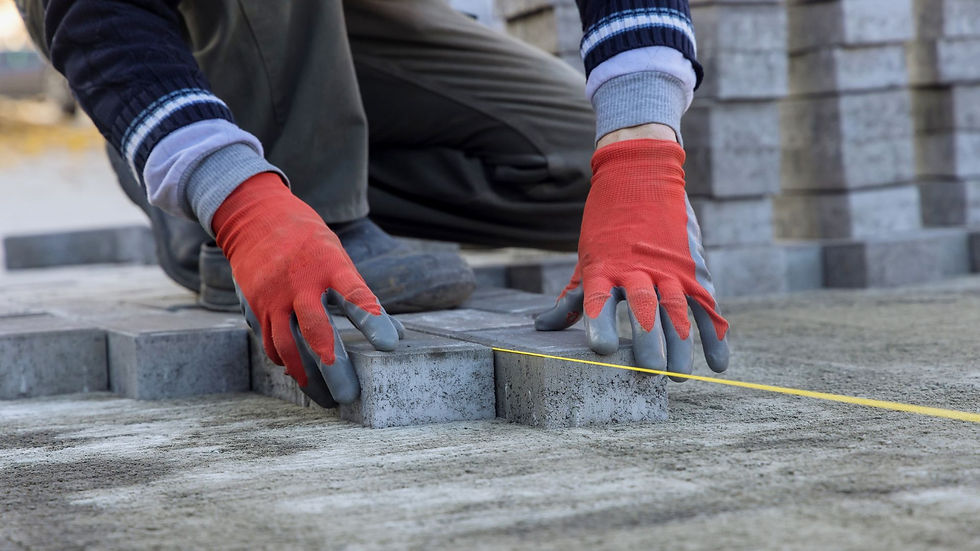
Concrete block is one of the most widely used materials in landscape construction. It is durable, relatively affordable, and handles moisture well when properly installed. Brands like Belgard offer engineered block systems designed specifically for landscaping applications, with interlocking shapes that add structural stability without requiring mortar.
The downside is that concrete block can look utilitarian if not paired with thoughtful design. Stone veneer or a wood veneer finish can help with aesthetics if you want something that blends into a garden or near a driveway.
Natural Rock and Stone
Natural rock, whether stacked dry or set with mortar, offers an organic look that fits beautifully into landscape design. It handles weathering well and, when installed correctly, can last for decades. The texture and shape of natural stone also give your yard a character that manufactured materials often can't match.
The trade-off is cost and engineering. Natural rock walls require skill to build correctly, and an improperly stacked wall can fail under soil pressure and water saturation. This is not an ideal do-it-yourself project for most homeowners.
Wood and Lumber
Treated lumber is sometimes used in garden retaining walls, especially for smaller raised beds or low-slope situations. It is affordable and easy to work with, which makes it appealing for a quick fix.
However, wood has real durability problems in Tampa's climate. Moisture, heat, and humidity cause wood to rot, warp, and lose structural integrity faster than almost any other material. Mold and staining are also common issues. For anything holding significant soil weight or standing near a storm drain, wood is rarely the right long-term answer.
Brick and Masonry
Brick walls bring architectural character and a clean look that complements both residential and commercial landscaping. Masonry walls can be built to handle significant pressure when designed with proper drainage in mind.
The challenge with brick is that mortar joints can crack over time as soil shifts, and repairs require masonry expertise. Building code requirements for taller walls also mean engineering oversight is often required, adding to project complexity and cost.
Gabion Walls
A gabion wall is essentially a wire cage filled with rock. It is a strong, permeable solution that handles water movement well, which makes it practical in areas with heavy runoff. Water drains through the structure rather than building up pressure behind it.
Gabion walls have an industrial look that works well in modern landscape design but may not suit every yard or patio setting. They are best suited for functional applications where durability and water management are the priorities.
How to Match the Right Material to Your Space
The right material depends on several factors working together:
The height and angle of the slope - Taller walls need materials with better structural integrity and often require engineering review.
Water and drainage patterns - In Tampa, accounting for storm drain flow and rain runoff is non-negotiable.
Your design goals - A garden wall near a patio has different aesthetic needs than a utility wall along a driveway.
Budget and longevity trade-offs - Cheaper upfront materials often cost more in repairs or replacement down the road.
A professional landscape design team can assess your terrain, local soil conditions, and drainage patterns before recommending any material. This step alone can prevent expensive mistakes.
Choose Retaining Wall Materials That Fit Your Yard
Picking a retaining wall material without understanding your yard's drainage, soil pressure, and climate exposure is how projects fail before they finish settling. The good news is that the right choice, with the right guidance, can protect your landscape for years and add beauty to your outdoor space. If you are working through a larger outdoor transformation, explore what a custom landscape design plan can do for your property before a single block gets placed.


Comments